
News
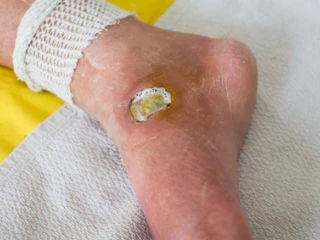
Therapy of Chronic Leg Ulcers According to Evidence-Based Medicine
Chronic ulcers on the lower extremities are defined as trophic defects that show no signs of healing after 3 months of appropriate treatment or are not healed even after 12 months of treatment. Their incidence and prevalence are continuously increasing, and they currently represent not only a serious medical problem but also a socioeconomic issue. An overview article published by German physicians focuses on summarizing the therapy of leg ulcers according to the principles of evidence-based medicine.

FLEX – A New Predictive Model for Assessing Follicular Lymphoma Risks
Overall survival of patients with advanced-stage follicular lymphoma (FL) who experience early disease progression after chemotherapy remains low. Currently used clinical prognostic models do not…

Socio-economic Benefits of Using Obinutuzumab in 1st Line Treatment of Follicular Lymphoma
Pharmacoeconomic analyses remind us that our patients' diseases affect not only themselves or the healthcare system, but also have an impact on the entire society. Patients with follicular lymphoma…

Expression of PD-L1 in Patients with Advanced Non-Small Cell Lung Cancer
An international team of authors published a systematic review addressing the relationship between the programmed cell death receptor ligand (PD-L1) and important clinical characteristics of patients…

Case Study with Voting: Intensification of Type 2 Diabetes Therapy in a Chronically Treated Patient. How to Proceed According to Current Recommendations?
We have prepared an interactive case study for you with a 70-year-old patient with decompensated Type 2 Diabetes. The patient was diagnosed with DM eight years ago. What treatment approach would you choose?...

Levodropropizine vs. dextromethorphan: Which one to recommend to your patients and why?
Reducing cough intensity and nighttime awakenings, rapid onset of action, simple dosing regimen, and good treatment tolerance—these are the properties we expect from antitussive drugs, not only in…

COVID Pneumonia: How Can Erdosteine Help and What Did a Clinical Study Suggest?
When patients who have recovered from COVID pneumonia begin home treatment, they are often far from being symptom-free. General practitioners and outpatient pulmonologists often have to address these…

Improving Physical Function in Patients with COPD in Routine Clinical Practice
The increase in exercise capacity with the use of a fixed-dose combination of tiotropium and olodaterol in the Respimat inhaler has already been demonstrated in clinical studies in patients with chronic...

Prostate Health Index and its Possible Use in Clinical Practice
With the increasing incidence of prostate cancer, the effort to improve its diagnostics is also growing. The exclusively used and practice-proven prostate-specific antigen (PSA) continues to play an…

Levothyroxine and the Interchangeability of Preparations Containing It
Levothyroxine is a synthetic thyroid hormone used to treat patients with hypothyroidism, which affects approximately 1-2% of the younger population and increases with age, especially in women.…

Desirable Side Effects of Antidiabetics
The days when diabetology was a field solely focused on normalizing blood sugar levels are long gone. Today, the approach in diabetology increasingly prioritizes influencing the patient's overall…

Benefit of a single intra-articular injection of hyaluronic acid in the treatment of osteoarthritis
Viscosupplementation serves as a minimally invasive procedure to restore the rheological properties of synovial fluid and alleviate pain in patients with symptomatic osteoarthritis (OA). We now have…

Efficacy and Safety of Single-Application Hyaluronic Acid in Osteoarthritis Therapy
Causal therapy for osteoarthritis does not yet exist. Patients suffering from progressive joint disease are thus dependent on symptomatic medications that alleviate symptoms and partially slow the…

Enoxaparin in Weight-Based Dosing for Thromboprophylaxis in Hospitalized Cancer Patients
Cancer patients are at higher risk of developing thromboembolic disease during hospitalization. Currently, there is not enough evidence supporting the efficacy and safety of the standard fixed dose…

Neoadjuvant Immunotherapy in Resectable Non-Small Cell Lung Cancer
Antibodies against the programmed cell death protein 1 (PD-1) improve the survival of patients with advanced non-small cell lung cancer (NSCLC). However, their use has not yet been tested in patients…