
News

Comparison of the effects of fibrinogen concentrates and fresh frozen plasma in patients with acute traumatic coagulopathy
A quasi-experimental study compared the effectiveness of fibrinogen concentrates and fresh frozen plasma in patients with severe blunt trauma requiring the administration of erythrocyte replacements.

Fibrinogen and Management of Peripartum Life-Threatening Hemorrhage
The most common cause of maternal death in the developed world continues to be peripartum life-threatening hemorrhage. It can result as a consequence of the consumption of coagulation factors,…

Telmisartan, amlodipine, and chlorthalidone in a low-dose fixed triple combination – better control of target blood pressure values?
The secondary analysis of the TRIUMPH study, recently published in JAMA Cardiology, is likely the first published assessment of time spent in the target blood pressure (BP) range during…

Joystick-operated robot intervening in stroke treatment remotely − fiction or promise of the future?
A team of experts from the Massachusetts Institute of Technology (MIT) has developed a telerobotic system that could allow doctors to treat stroke or brain aneurysm remotely in the future. Scientists…

Current Indications for Negative Pressure Therapy in Wound Healing in Orthopedic and Traumatological Patients
Negative pressure wound therapy was introduced in North America in 1997. Since then, the method has gained great popularity and is used in the treatment of many acute and chronic wounds. Like any…

Which Dietary Recommendations Actually Work for Irritable Bowel Syndrome?
Food is both a trigger for symptoms and a treatment tool for individuals with irritable bowel syndrome (IBS). A 2021 review summarizes the results of the latest research on the effectiveness of…

Efficacy and Safety of Enoxaparin in Hospitalized Patients with Severe Renal Insufficiency
A study evaluating the effect of thromboprophylaxis with enoxaparin at a dose of 20 mg/day in adult patients with renal failure compared the incidence of venous thromboembolism (VTE) with published…
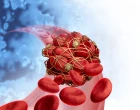
Anticoagulants and Antiplatelets in the Treatment of Acute Coronary Syndromes
Anticoagulants and antiplatelets are a key part of the therapeutic strategies used in the treatment of acute coronary syndromes (ACS). They reduce the risk of acute and late complications, morbidity,…

Bilastine and its role in the treatment of allergic rhinoconjunctivitis and urticaria in children
The prevalence of allergic rhinitis (AR) in the pediatric population is estimated worldwide at 10-20%. The efficacy and safety of bilastine (a second-generation antihistamine) in adult patients and…
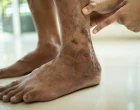
Prevention and Treatment of Thromboembolism in the Elderly
Despite advances in the prevention and treatment of venous thromboembolism, morbidity and mortality associated with this condition remain high in certain risk groups. An international expert group…

Three tests to confirm the diagnosis of acquired hemophilia – infographic
Acquired hemophilia (AHA) typically manifests with spontaneous bleeding in patients with no prior personal history of significant bleeding.1–4 The cause of the bleeding is a significant decrease in…

Innovative Form of Levothyroxine Ensures Accurate Dosing for Patients
In the treatment of hypothyroidism, precise dosing of replacement therapy is critical. An innovative formulation of levothyroxine has been developed to meet the updated, stricter standards of regulatory...

Levothyroxine Substitution Depending on Patient Genotype
Careful titration of hormone dose leads to optimal dosing of replacement therapy for hypothyroidism. The authors of a cross-sectional study published in the Endocrine Journal examined the impact of polymorphisms...

Safety and Efficacy of Combination Therapy for Allergic Rhinitis Compared to Monotherapies and Placebo
Combination therapy of antihistamine and corticosteroid is a promising alternative for patients suffering from seasonal allergic rhinitis. A phase II clinical study aimed to determine the effective…

Allergic Rhinitis in the General Practitioner’s Office: How to Proceed in Primary Care?
Up to 60% of the population has a genetic predisposition to allergic disease. Diagnosis and therapy of allergic conditions are therefore very common topics in primary care. How should we proceed…