
Seventy Years Since the First Czech Hemodialysis
It is not only the home of a legendary scientist said to have made a pact with the devil, but also the site of the Hemodialysis Center of the General University Hospital (VFN). At Prague’s Faust House, representatives of the Department of Nephrology of the First Faculty of Medicine, Charles University, and VFN in Prague commemorated a unique milestone — the performance of the first hemodialysis not only in former Czechoslovakia, but in the entire socialist bloc.
Seventy Years Since the First Czech Hemodialysis It is not only the home of a legendary scientist said to have made a pact with the devil, but also the site of the Hemodialysis Center of the General University Hospital (VFN). At Prague’s Faust House, representatives of the Department of Nephrology of the First Faculty of Medicine, Charles University, and VFN in Prague commemorated a unique milestone — the performance of the first hemodialysis not only in former Czechoslovakia, but in the entire socialist bloc.
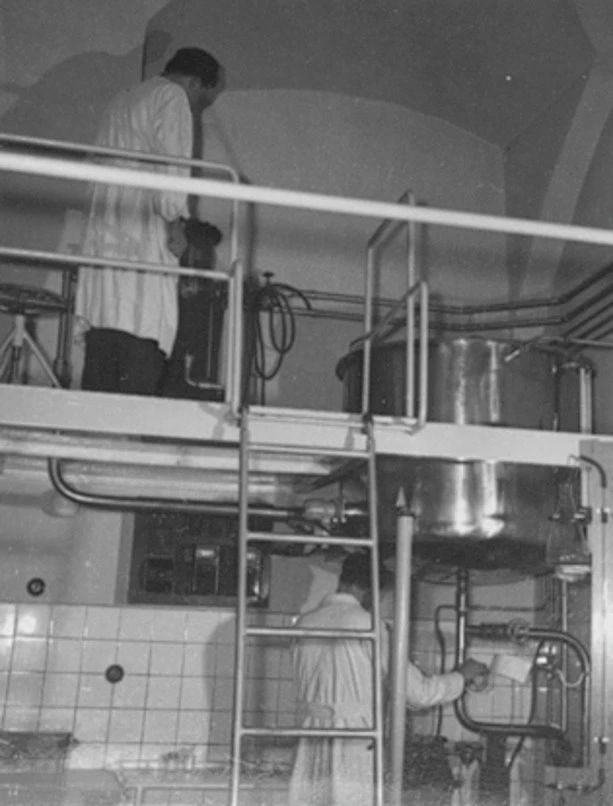
Difficult Beginnings
The groundbreaking moment took place on December 10, 1955, at the Second Department of Internal Medicine of VFN. Despite the challenging political situation, its leaders at the time managed to establish contacts abroad, obtain an artificial kidney, and persuade the communist authorities to allow its introduction into clinical practice.
“We must view the 70th anniversary of dialysis in this context as an absolutely unique achievement of the General University Hospital, because at that time dialysis was possible only for acute patients and only in four European countries — Germany, Switzerland, Austria, and Sweden,” assesses the significance of the event the Head of the Department of Nephrology of the First Faculty of Medicine, Charles University, and VFN in Prague, Prof. MUDr. Vladimír Tesař, DrSc.
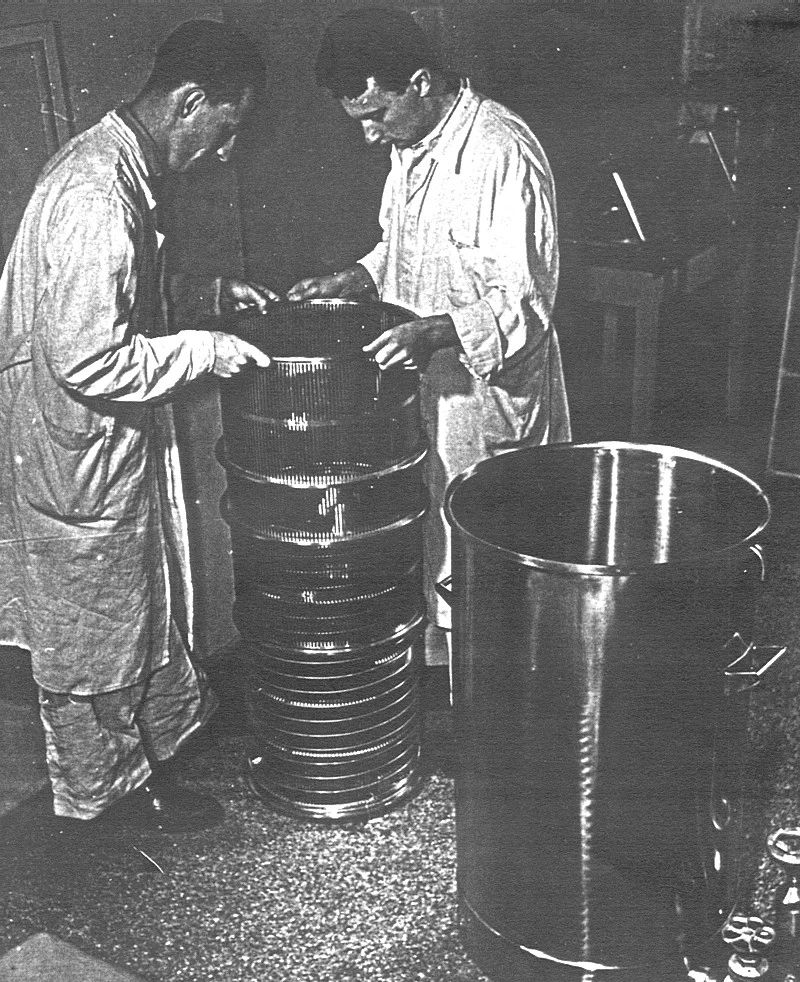
The Journey of the Artificial Kidney to VFN
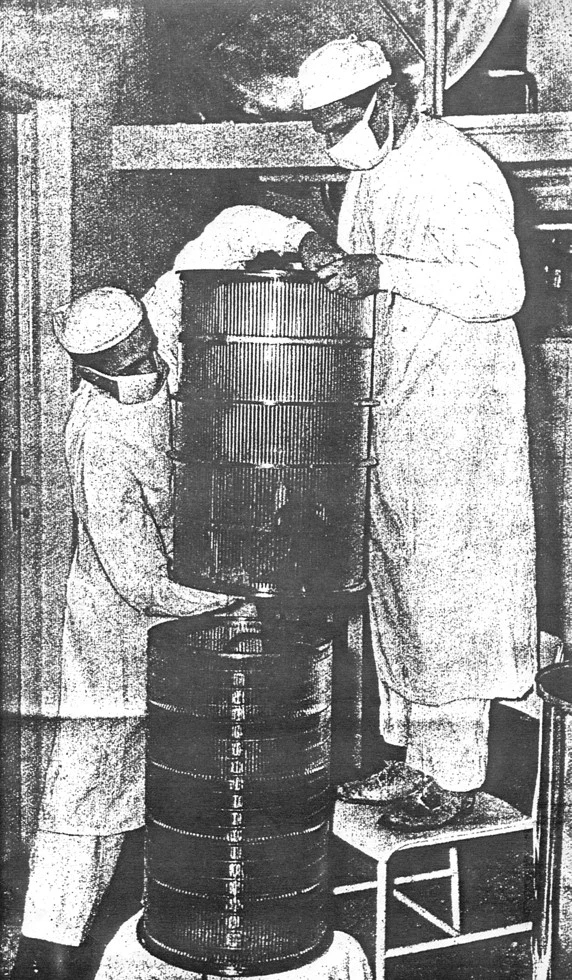
The artificial kidney was developed by two individuals — J. V. Kolff in the Netherlands in 1945 and N. Alwall in Sweden a year later. The former gained prominence primarily during the Korean War, while the latter eventually made its way to our region. This would not have happened had the Second Department of Internal Medicine not been led by Prof. Antonín Vančura, a strong advocate of the artificial kidney project.
After universities were closed during World War II, he employed two medical students, M. Chytil and S. Daum, who helped him acquire the device and introduce it into practice. Evidence of the project’s success was the fact that the patient who underwent the first hemodialysis attended its 50th anniversary celebration.
“At that time, the artificial kidney represented a major advance in the treatment of kidney failure. For acute patients, it often enabled a return to a completely normal life and restored their health. For chronic patients, it prolonged life, albeit sometimes with varying quality,” summarized MUDr. Jana Lachmanová, former Head Physician of the Department of Nephrology of the First Faculty of Medicine, Charles University, and VFN. She received documents related to the first artificial kidney after the Velvet Revolution directly from Daum, who was then a professor of pulmonology working in Munich.
Now Available to All
At that time, however, only about 10–15% of those who truly needed an artificial kidney could benefit from it. “Today it is available to everyone. Until the late 1980s, it was a selective method accessible only to patients under 50 years of age and those with a primary nephrological diagnosis who, for example, did not have diabetes. Today, age is no longer a limiting factor, and patients over 80 years old are dialyzed as well. The number of diabetic patients in regular dialysis programs has been increasing and now accounts for around 50%,” says MUDr. Zuzana Hladinová, Head of the Hemodialysis Center at VFN.
“Thanks to technical advances, the procedure has been shortened from the original 10 hours to 4–5 hours, and the number of complications has significantly decreased,” she adds. The age structure of dialysis patients has also changed in recent years — 74% of dialyzed patients are now over 60 years old, compared with 51% in 2009.
Peritoneal Dialysis as a Bridge to Transplantation
In addition, there has been a significant increase in the number of hemodialysis centers, leading to shorter travel distances for dialysis and, consequently, improved quality of life for patients. This has been further enhanced by the introduction of the “younger sister” of hemodialysis — peritoneal dialysis — introduced 22 years later. Its advantage is that patients can tailor exchanges to their own schedule, physicians can adjust the program remotely, and, most importantly, this method can better prepare patients for transplantation.
“Peritoneal dialysis is a bridge to transplantation for us, because a peritoneal catheter is inserted and the patient then waits for a transplant. When transplantation takes place, the surgeon at IKEM removes the peritoneal catheter, and the patient does not need to have any permanent access required for hemodialysis,” explains MUDr. Vladimíra Bednářová, CSc., from the Department of Nephrology of the First Faculty of Medicine, Charles University, and VFN.
Peritoneal dialysis is not yet widely used in the Czech Republic, with only 3.8% of dialyzed patients using it. The situation is changing, however, and at VFN a pre-dialysis outpatient clinic has been successfully established (where 32% of dialyzed patients use peritoneal dialysis). In this clinic, patients are informed about available methods and can make a more informed choice. In 2024 and 2025, this approach also helped bring nine patients to transplantation at the preemptive stage.
Editorial Team, Medscope.pro
Source:
70 years since the first dialysis in the Czech Republic — A radical transformation of nephrology: quality years of life added for patients of all age groups. Press conference. Prague, December 10, 2025.
Photo: VFN Prague
Did you like this article? Would you like to comment on it? Write to us. We are interested in your opinion. We will not publish it, but we will gladly answer you.
- Hope Awakens with Early Diagnosis of Parkinson's Disease Based on Skin Odor
- Artificial Intelligence in Breast Cancer Detection – Results from Real Clinical Practice
- New Type of Fixation Allows Regular Limb Hygiene and Stay in Water
- Patient Journey Through the Danish Healthcare System with the Help of Digital Technologies – An Illustrative Case Study
- Continuous Infusion of Tiapride in the Treatment of Hyperactive Delirium – Case Study